Canada's
critical minerals
With a critical minerals industry rooted in over a hundred years of history, Glencore in Canada plays a key role in finding, mining, processing, recycling, and trading the minerals and resources Canada and the world needs.

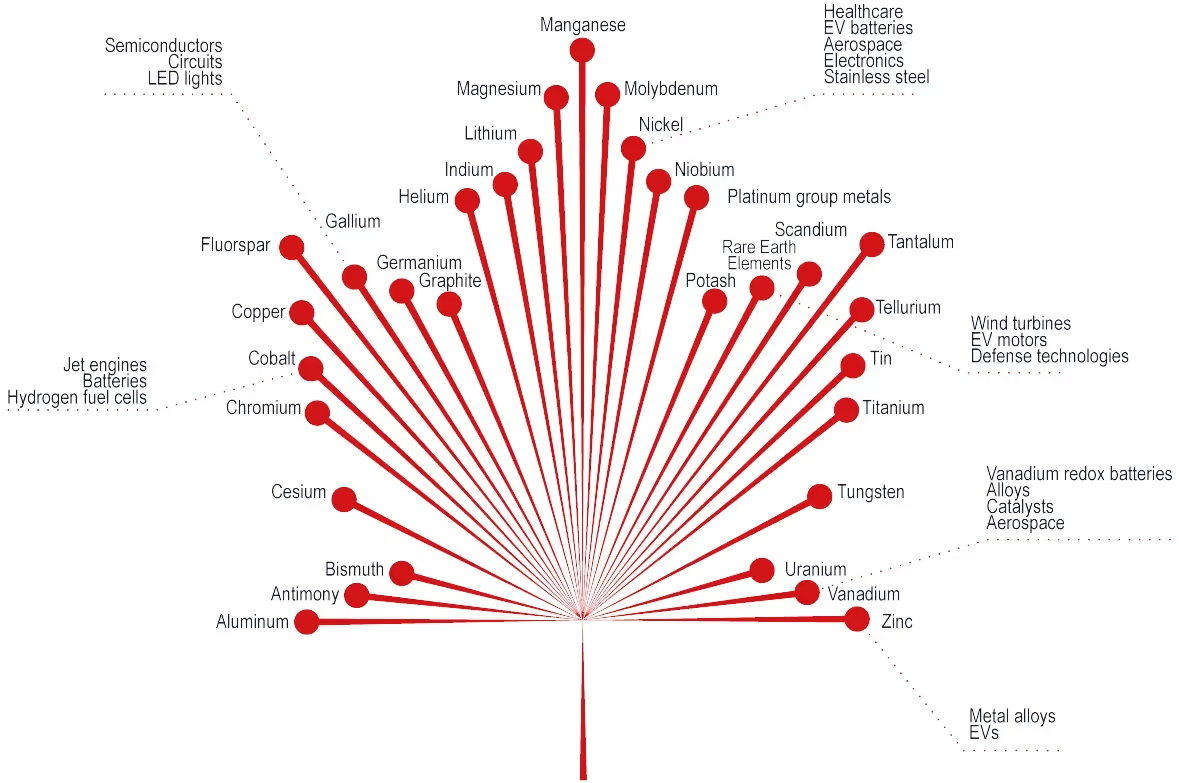
In Canada, 34 minerals and metals have been designated as critical by the federal government.
Learn more about Glencore’s role in producing Canada’s minerals & resources.


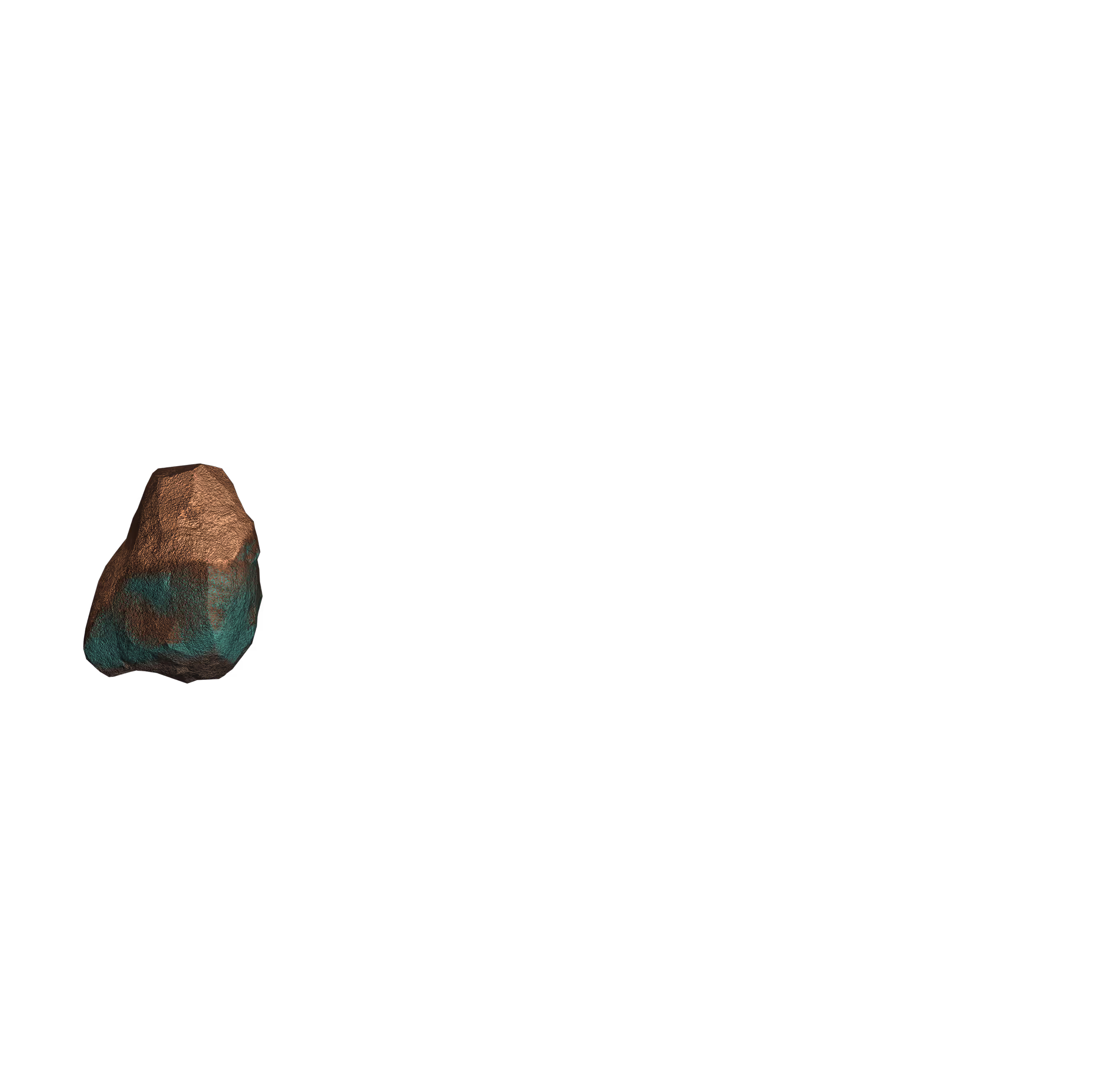
Copper was one of the first metals used by humans more than 10,000 years ago. Today, it’s a key mineral in our homes, for transportation, and a crucial resource for the renewable energy transition.
Copper is critical for everyday technologies like electronics, wiring, plumbing, and construction.
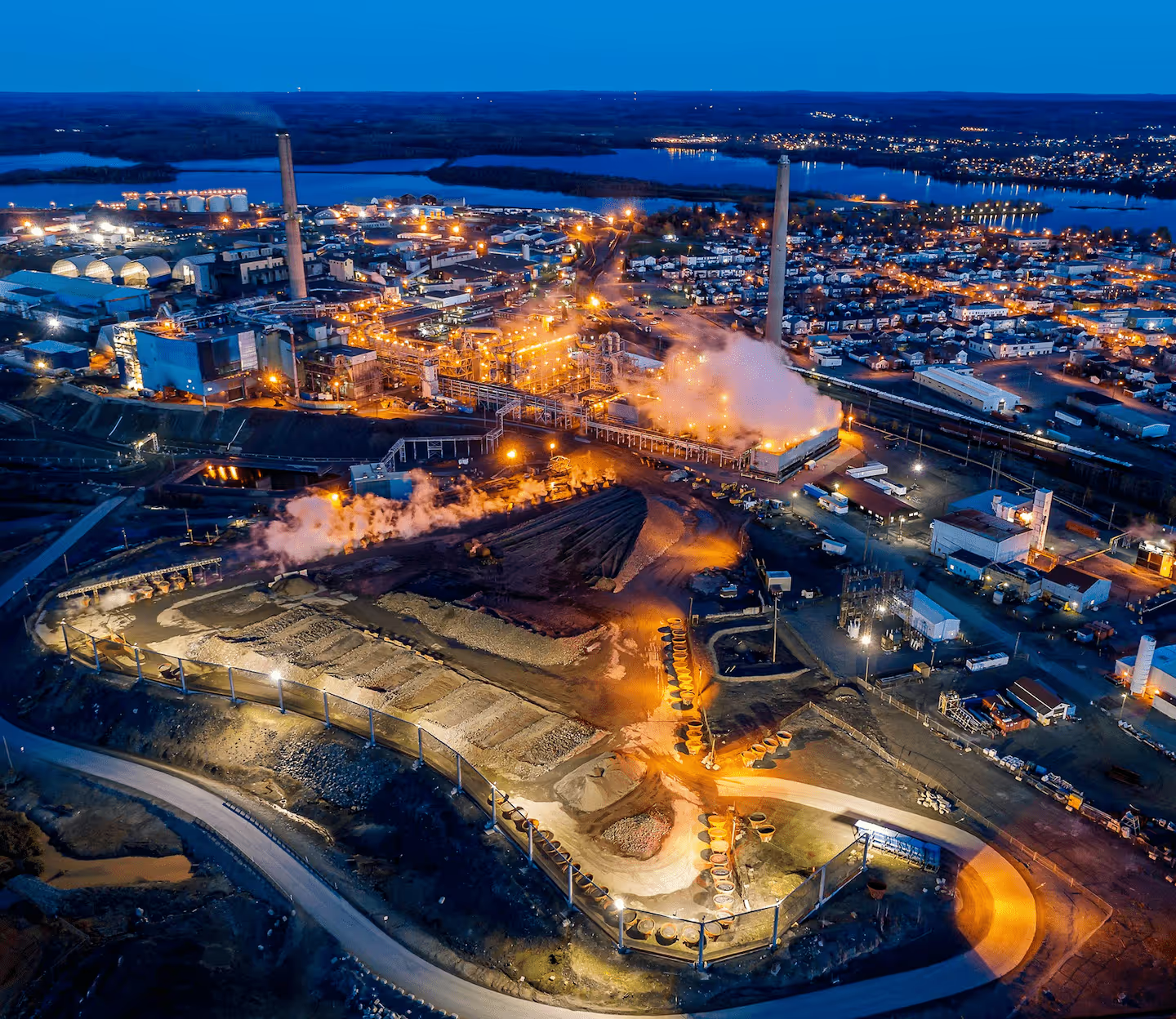
Glencore produces and recycles hundreds of thousands of tonnes of copper annually in Canada, sourced from our own mines, third-party feed and end-of-life electronics. Our Horne Smelter and Canadian Copper Refinery (CCR) are Canada’s only remaining copper smelter and refinery.
Nickel is often used in manufacturing stainless steel and helps support large-scale infrastructure development.
Nickel has many uses - from manufacturing of electric vehicle (EV) batteries and energy technologies, to building infrastructure like bridges. 100% recyclable, it’s important for building the technology and energy infrastructure needed in a low-carbon economy.
Glencore has recently invested more than $2.5 billion on new mines in Quebec and Ontario that will extend the life of our operations in these areas until at least 2040.
Zinc is important to modern technology and supports the steel, agricultural, and health industries.
Zinc is commonly used to galvanize steel and iron, supporting the infrastructure needed to grow the energy economy in Canada. From its use in sunscreen to growing crops, zinc is an important part of our everyday lives.
Glencore operates the largest primary zinc processing facility in eastern North America.
While not listed as a critical mineral in Canada, steelmaking coal is a resource that is critical to building the infrastructure of tomorrow.
It’s a necessary input material to make steel, which is used to build ships, rail, bridges, and wind turbines across Canada, and around the world.
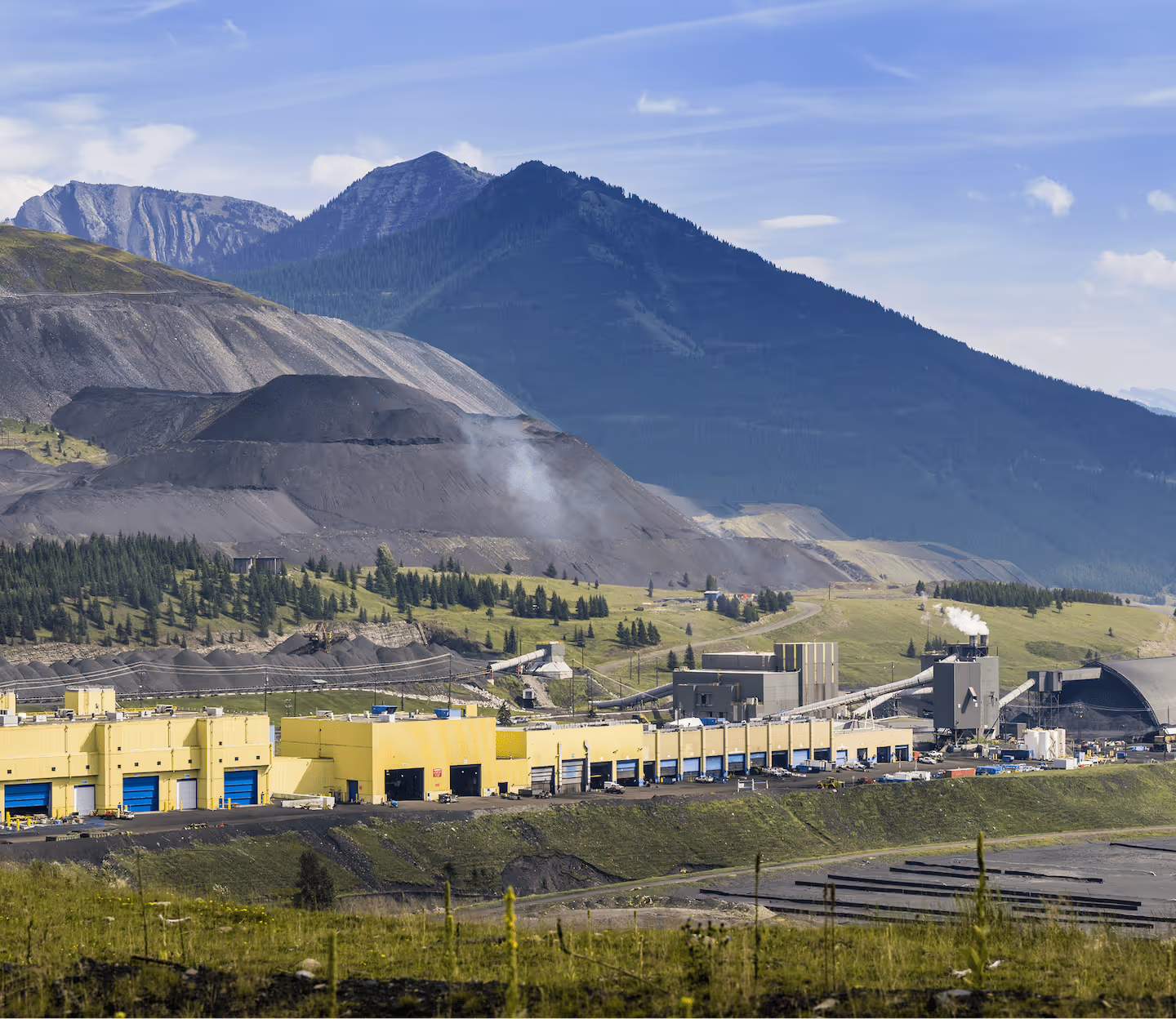
Glencore’s Elk Valley Resources in B.C. exports millions of tonnes of steelmaking coal each year, making it a major contributor to the local, provincial, and national economies.
Glencore’s operations in Canada also produce some of Canada’s other designated critical minerals like cobalt, platinum, and palladium that are crucial to economic and infrastructure development across the country.
Building Our Economy, Now and in the Future
From coast to coast to coast, Canada is a natural resources leader and responsible producer of critical minerals. The sector provides job opportunities for Canadian workers and creates prosperity today, and for future generations.
Learn more about what companies like Glencore are doing to build expertise and capability in international trade, invest in infrastructure, and help position Canada in the critical minerals industry to support Canadian families and communities.
Investing in mining projects and processing facilities to supply Canadian-made critical minerals and metals.
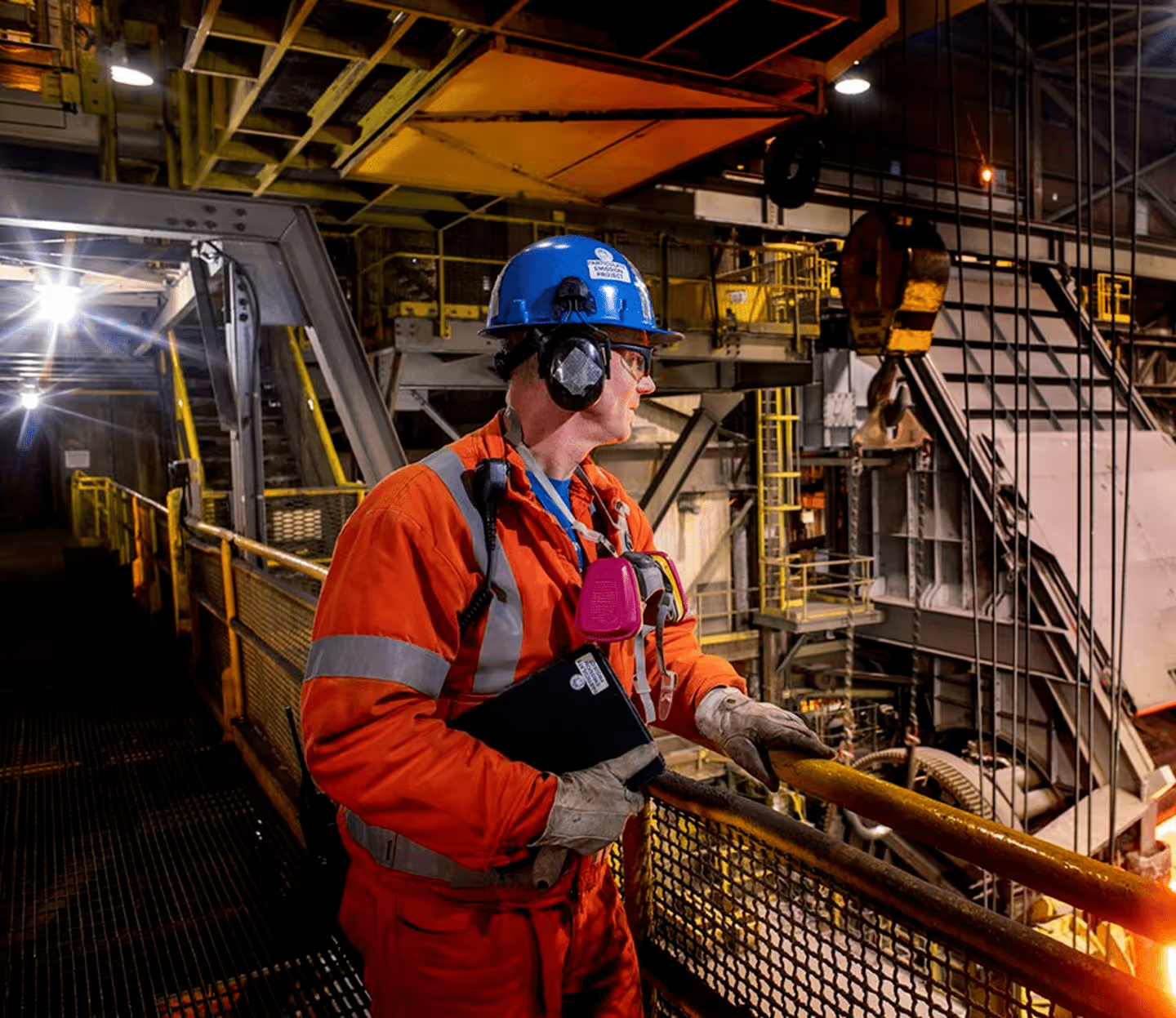
Directly employing more than 11,000 Canadian workers with safe, good quality jobs.
Investing in transportation infrastructure including at the Port of Quebec and Port of North Vancouver.
Bolstering Canada’s position on the global critical minerals stage.
How a Stronger Critical Minerals Sector Benefits Canadians
Canada has a key role to play as a significant resource trading partner around the world. This starts with producing minerals and metals in places like the Elk Valley, Nunavik, Rouyn-Noranda, Sudbury, and Valleyfield.
Get to know how these minerals are found, extracted, processed, recycled, and traded, right here in Canada:
Critical minerals and resources start in the ground. At Glencore operations in Nunavik, Sudbury, and the Elk Valley, teams work both underground and at surface to mine the copper, nickel, zinc, and steelmaking coal that power modern industries.
With investments in battery electric vehicles (BEVs) in underground mining to reduce heat, noise, and emissions, Glencore is helping to lead mining innovation in Canada.
By working collaboratively with Indigenous partners and rights holders, such as in training and employment programs, we support the future of our communities and the sector.
After extraction, our minerals and resources are shipped within Canada to be processed and refined.
Operations like our Horne Smelter and Canadian Copper Refinery transform and refine raw materials like copper concentrate, producing hundreds of thousands of tonnes of copper every year. Glencore’s Sudbury Smelter produces nickel matte from concentrate from our Sudbury and Raglan mines.
The refining process also produces metals like gold, silver, platinum, and palladium that are marketed internationally.
End-of life electronics, batteries, and everyday materials like home wiring are recycled, right here in Canada.
Glencore operations like the Horne Smelter and Sudbury Integrated Nickel Operations recycle thousands of tonnes of complex feeds every year, helping to support a more circular supply chain.
With a vast international trading network, Glencore trades Made-in-Canada resources like copper, nickel, zinc, and steelmaking coal with countries around the world – strengthening the country’s economic ties.
A Made-in-Canada Solution
Learn more how companies like Glencore are committed to supporting Canada’s present and future economic priorities and investing in a prosperous future for Canadians.